
Storage Sofas: Couches With Hidden Storage Worth Buying
Storage sofas compared: published bin dimensions, lift-top chaises, sleeper combos, and the weight and mechanism trade-offs brands leave out.
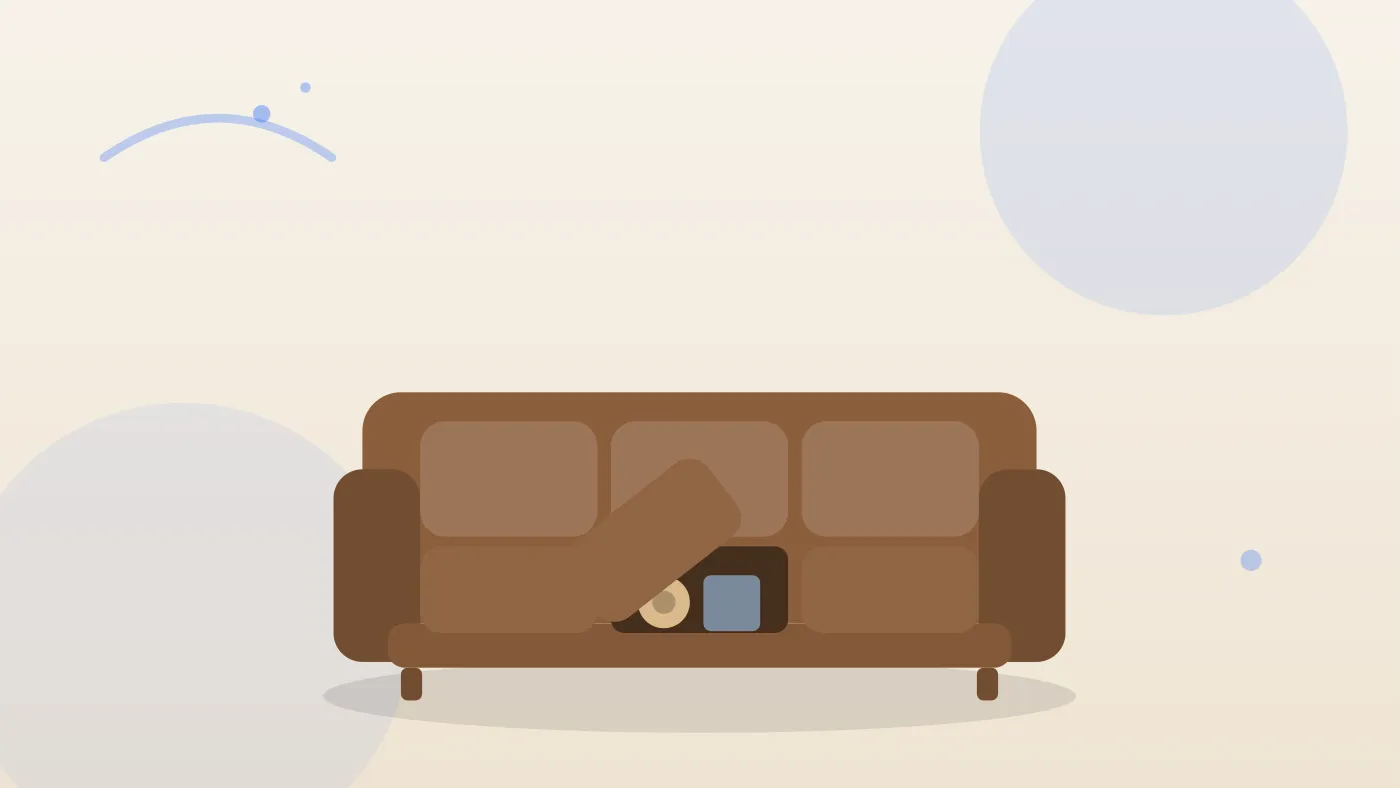
A storage sofa is only as good as two details brands rarely lead with: where the bin sits, and how the lid works. Get those right and you gain real space in a small home; get them wrong and you own a heavier, firmer couch guarding stuff you never reach. Below: where the storage actually hides, the published numbers, and the picks that survive the trade-offs.
Where do storage sofas hide the storage?
Four places, with very different daily usefulness. Under-chaise bins — the IKEA Friheten pattern — hold the most but sit under a seat someone is usually occupying, so they suit bedding and seasonal items. Lift-top seats, common on Ashley’s storage sectionals, open at the corner chaise for medium items. Per-seat bins, the Honbay modular pattern, put a shallow box under every seat cushion — small but everywhere. And storage ottomans handle the daily-access job better than any of them, which is why we treat them as their own category in our sofas with ottomans guide.
A useful rule: the more often you need the contents, the closer to an ottoman you should buy.
Which storage sofas are worth buying?
Six picks; storage dimensions are listed wherever a brand publishes them, and marked honestly where nobody does.
| Pick | Overall W × D × H (in) | Storage type | Published storage size (in) | Delivery | Price band |
|---|---|---|---|---|---|
| IKEA Friheten sleeper sectional | 90.5 × 59.5 × 34 | Under-chaise bin | Not published — fits duvet and pillows | Flat-pack boxes | Under $1,000 |
| Honbay modular sectional | 112.2 × 55.9 × 33.9 (6-piece U) | Bin in every seat base | 17.3 × 20.9 × 5.7 per seat | Boxed | $700–$1,800 |
| Ashley Darton 2-piece sleeper | Confirm per config | Lift-top chaise | Not published | Freight | $1,000–$2,000 |
| Ashley Yantis sleeper sectional | Confirm per config | Lift-top chaise | Not published | Freight | $1,000–$2,000 |
| Ashley Ruffner 2-piece | Confirm per config | Lift-top chaise + arm storage | Not published | Freight | $1,200–$2,200 |
| IKEA Vimle footstool with storage | 38 × 28 × 18 | Lift-lid ottoman | Interior not published | Flat-pack | Under $500 |
IKEA Friheten sleeper sectional
The category’s default for a reason: sofa, double fold-out bed, and a big under-chaise bin at 90.5 by 59.5 inches overall, for under $1,000. The bin exists to serve the bed — duvet, pillows, sheets — and does that job well. Know the costs going in: firm seating, a one-piece chaise section that needs a measured path, and no published bin dimensions. It anchors small apartments, which is why it also shows up in our sleeper sofa guide.
Honbay modular sectional
The only pick that publishes per-seat bin numbers: roughly 17.3 by 20.9 by 5.7 inches under each seat (velvet versions run 20.5 square by 6), which our math puts at just over a cubic foot per seat. Six seats means six bins — blankets, controllers, cables, everywhere. The honesty cuts both ways: seat depth is a shallow 18.9 inches, so do not confuse this 112-inch U-shape with the deep loungers in our best oversized couches roundup. Storage is the reason to buy it; depth is not.
Ashley Darton, Yantis, and Ruffner
Ashley’s storage-sleeper trio puts a cushioned lift-top bin on the corner chaise, with USB ports on the Darton and Yantis and, on the Ruffner, a pop-up bed plus extra storage inside the arms. None publish bin dimensions, but these are showroom brands — lift the lid yourself, measure, and test the hinge one-handed before committing. Freight delivery, so measure the path too.
IKEA Vimle footstool with storage
Not technically a sofa, and still the smartest storage-per-dollar in the roundup: a 38-by-28-inch lift-lid ottoman, 18 inches high, matching the Vimle sofa line’s fabrics. Pair it with the couch you actually find comfortable and you get better daily-access storage than most built-in bins, for under $500.
How much storage do you actually get?
About one cubic foot per Honbay-style seat, a bedding set in a Friheten-style chaise, and an unknown-but-testable amount in Ashley’s lift-tops — that is the honest range. The six-inch bin depth on per-seat systems is the binding limit: throw blankets yes, board-game boxes barely, winter coats no.
Two subtractions listings never make for you: sleeper mechanisms eat the space under the non-chaise seats, and bin walls steal a couple of inches from every outside dimension. If storage is the primary goal rather than a bonus, a bed that hides a whole mattress wins on volume — that comparison is our murphy bed with a couch guide.
What breaks first on a storage sofa?
The moving parts fail before the fabric does. Lift-lid hinges and gas struts lead the complaint lists across brands; stapled webbing under bin floors sags when overloaded; pop-up sleeper frames add a second mechanism with its own failure modes. Weight is the quieter trade-off — the storage carcass adds structure an ordinary sofa skips, and one-piece storage chaises are the pieces movers curse. Bins also seal against airflow, so anything stored slightly damp comes out musty.
Showroom checklist: metal hinges over straps, one-handed lid lift, press-test the bin floor, and open the sleeper fully if there is one.
Who should NOT buy a storage sofa?
- Deep-seat comfort shoppers. Storage platforms sit firm and shallow — 18.9 inches on the popular modulars. If lounging is the point, buy depth first and add a storage ottoman.
- Frequent movers eyeing one-piece freight units. The Friheten’s chaise and Ashley’s corner units are heavy, rigid objects. Check your stairwell with the Will It Fit tool before falling for any of them.
- People who need daily access to the stored items. A bin under an occupied seat is a bin you visit weekly, not daily. Buy the ottoman instead.
- Damp basements and humid rooms. Sealed bins plus moisture equals musty everything.
- Anyone who actually needs the sleeping function more than the storage. Prioritize the mattress and mechanism first — our sleeper sofa guide ranks those — and treat storage as the tiebreaker.
Storage sofas come in every configuration from loveseat to full U — see the types of sectionals hub to match the shape to your room before you pick the bin.
Frequently asked questions
Quick answers to what buyers ask us most
How much can you actually fit in a storage sofa?
Less than the photos imply. The only widely sold system that publishes bin dimensions is Honbay-style modular seating, at roughly 17–21 inches square and about 6 inches deep per seat — a bit over one cubic foot, or two folded throw blankets. Chaise bins like the IKEA Friheten's hold more, on the order of a duvet and pillows. Nobody is storing luggage in a sofa.
What breaks first on a storage sofa?
The moving parts: lift-lid hinges and gas struts on chaise bins, and fold mechanisms on sleeper-plus-storage combos. Bin floors are usually thin particleboard or webbing, so overloading them causes sag before the hinge fails. When shopping in person, lift every lid one-handed, look for metal hinges over stapled straps, and press on the bin floor. A lid that needs two hands on day one gets worse.
Is the IKEA Friheten's storage big enough for bedding?
Yes — that is its actual job. IKEA pitches the under-chaise compartment for the duvet, pillows, and sheets that serve the fold-out bed, and owners consistently use it exactly that way. IKEA does not publish the bin's internal dimensions, so bring a tape measure if you plan to store anything bulkier. Note the compartment sits under the chaise seat, so it is unreachable while someone naps there.
Are storage sofas harder to move?
Yes. The storage box adds a plywood or particleboard carcass that ordinary sofas skip, and sleeper-plus-storage sectionals stack a steel bed frame on top of that. One-piece chaise units are the worst of both: heavy and unwieldy. If you move often, modular systems that break into cartons — Honbay-style seats or an ottoman-based approach from our sofas with ottomans guide — survive stairwells far better.